










About
The Fifth International Conference: «Waqf Investment in Libya», under the slogan «Growth & Sustainability».
Preface







Praise be to Allah, Lord of the worlds, and peace and blessings be upon our Prophet Muhammad, his family and companions, and all who follow his way until the Day of Judgement.
Waqf is among the greatest charitable endowments Islam brought. It joins sincere worship with a noble worldly purpose: an act of nearness to Allah and a benefit to people. It has long been a firm institution for supporting good, caring for those in need, building society, and directing wealth towards righteous causes.
History shows that awqaf were never mere alms. They formed an integrated system grounded in the rules and objectives of Sharia, one that protected its assets and invested its resources.
To keep awqaf alive, protect them from loss, sustain their giving and activate their role in society, developing and investing waqf in line with its Sharia objectives has become essential, so that its impact on people's lives grows.
There is a pressing need to study waqf investment in Libya and the legal and economic challenges it faces; to look ahead at how it can develop; to identify promising opportunities; to find practical ways of raising its role; to learn from leading international experience; and to strengthen digital transformation in serving waqf and society.
For this reason the General Authority of Awqaf and Islamic Affairs of the State of Libya is holding this conference: a scholarly forum that brings together researchers and specialists from across the Muslim world to study Islamic waqf in Libya, explore how it can grow and be invested, and show its importance to society's progress and future.
«Waqf Investment in Libya»
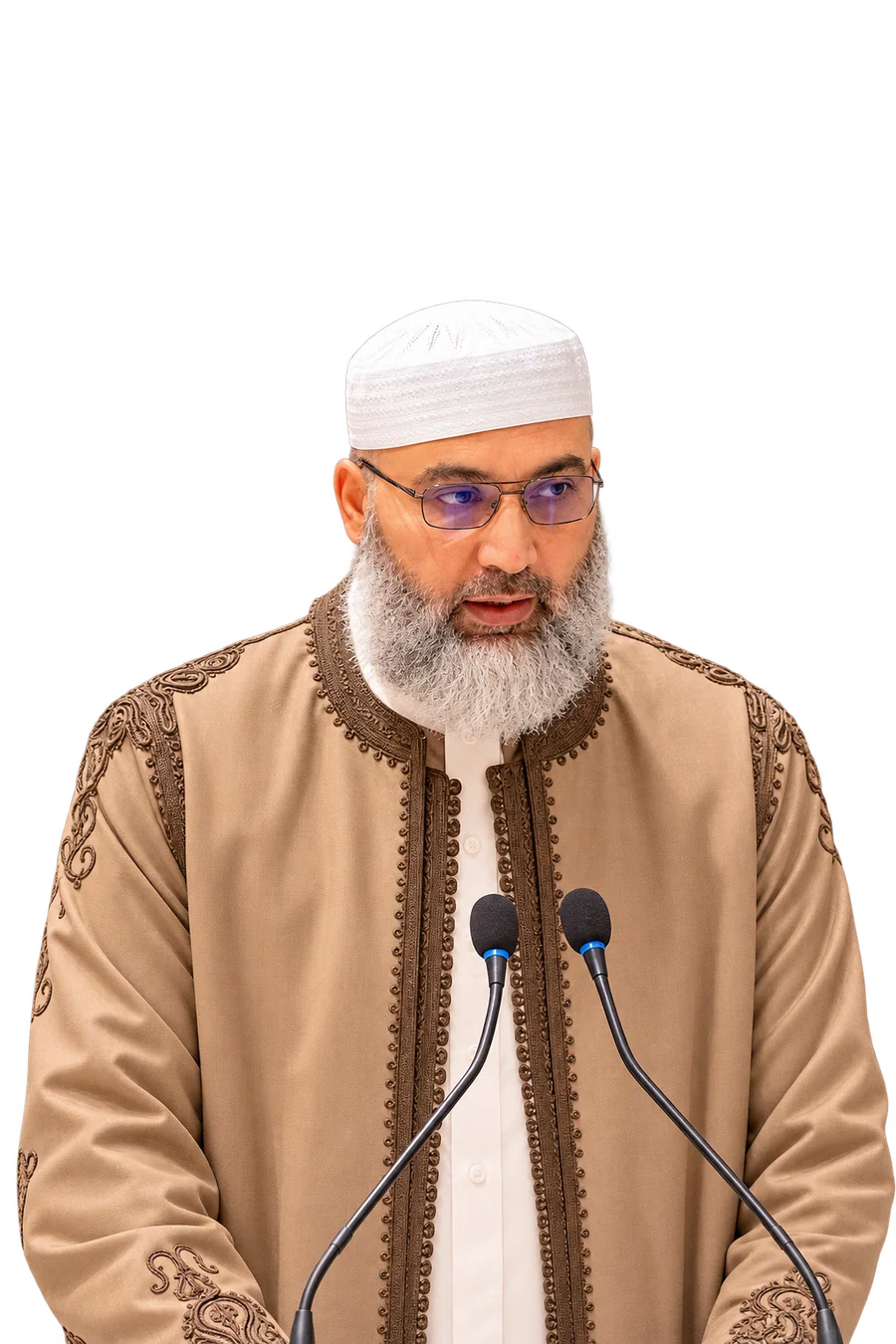
Message from the President



Praise be to Allah, who made waqf an enduring door of righteousness, and peace and blessings upon His Messenger, who taught his Ummah the practice of ongoing charity.
Waqf in Libya is a long heritage of mosques, zawiyas, schools and markets, preserved by founders generation after generation. Our duty today is to protect that heritage and make it grow. It is not enough for waqf assets to stand; they must work, produce and benefit people.
That is why our Fifth International Conference, Waqf Investment in Libya, is held under the slogan Growth & Sustainability: to bring scholars and specialists together to study reality, diagnose challenges, propose solutions and learn from successful experience, including the Libyan digital model offered by the Albir Waqf Platform.
We welcome researchers and participants to Tripoli, and ask Allah to make this conference a building block for a growing and sustainable Libyan waqf.
Objectives
- Set out the Sharia foundations of Islamic waqf and help develop the legal and regulatory environment for awqaf in Libya.
- Highlight waqf's role in the civilisational and economic revival of the Ummah, and propose realistic, forward-looking waqf projects that contribute to the Sustainable Development Goals.
- Show how technology and digital transformation can serve and develop waqf.
- Address the obstacles to waqf investment in Libya and put forward scholarly and practical solutions to grow awqaf economically and socially.
- Reveal waqf's role in stimulating economic and social competitiveness, and raise public awareness of how waqf serves people in every part of life.
- Learn from successful international waqf investment experience and adapt it to the Libyan context.
Who it is for
- Ministries, authorities and local and international institutions
- Financial and development institutions and business leaders
- Waqf administration and its departments
- Universities, institutes and research centres
- Imams, preachers and waqf trustees (nuzzar)
- Researchers and everyone interested
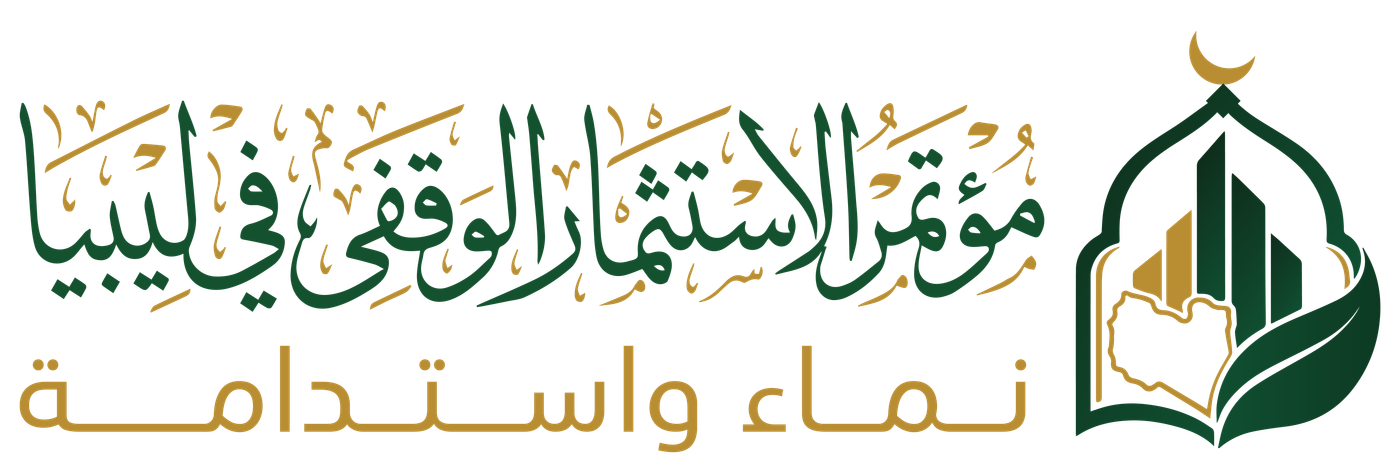
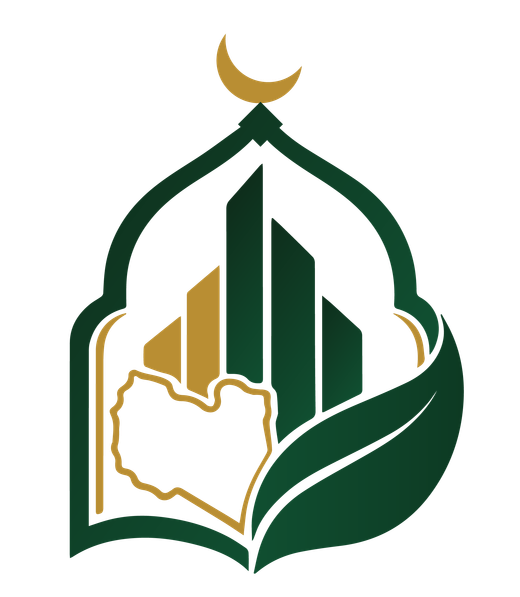
The logo story
Four parts in one shape. Watch them come together.
Dome and crescent
A mosque dome under the crescent holds the whole mark: waqf is worship, and the first waqf was a mosque.
Rising buildings
Buildings rising in gold and green: the endowed asset, invested, grows.
Map of Libya
Libya's borders in gold at the base: the country whose waqf is studied.
Green leaf
A growing leaf wrapping the base: growth and sustainability.
Four parts meet in one mark; the conference name is written beneath it in Arabic calligraphy, then “Growth & Sustainability” in gold.
What is waqf?
Waqf is holding an asset in perpetuity and dedicating its yield or benefit to its designated beneficiaries.



﴿لَنْ تَنَالُوا الْبِرَّ حَتَّىٰ تُنْفِقُوا مِمَّا تُحِبُّونَ ۚ وَمَا تُنْفِقُوا مِنْ شَيْءٍ فَإِنَّ اللَّهَ بِهِ عَلِيمٌ﴾
“You will never attain righteousness until you spend from what you love. And whatever you spend, Allah knows it well.”
Āl ʿImrān 3:92
«When a person dies, their deeds end except for three: ongoing charity, beneficial knowledge, or a righteous child who prays for them.» (Narrated by Muslim)
In practice, a property such as a house, land or shop is held as waqf, and its income or use goes to what it was endowed for, according to the founder's condition, which carries the weight of a legal text.
The four pillars of waqf
The founder (wāqif)
The owner who chooses to endow the asset for Allah and assign its income.
The endowed asset (mawqūf)
The asset itself, which must be fully owned by the founder.
The beneficiary (mawqūf ʿalayh)
The purpose or people that the income is spent on.
The formula (ṣīgha)
Explicit or implied; a waqf is made by word or by deed, such as building a mosque and opening it for prayer.
The first waqf in Islam was the Quba Mosque, founded by the Prophet ﷺ on arriving in Madinah, followed by the Prophet's Mosque.
The General Authority of Awqaf and Islamic Affairs is the trustee of most waqf property in Libya under its founding Law No. 10 of 1971 and Waqf Law No. 124 of 1972, as amended.

The official body responsible for awqaf and Islamic affairs in Libya, with financial and administrative independence. Established by Law No. 10 of 1971 and reorganised by Cabinet Decree No. 10 of 2016, amended by Decree No. 26 of 2016.
Our vision lives in our mark
The Authority's vision and mission, and the two words of the slogan “Growth & Sustainability”, each carried by a part of the mark.
- Dome and crescent
Vision
Institutional leadership in serving the Qur'an and Sunnah and those who work with them, and developing waqf investment with modern global methods that fulfil the founders' conditions and aims.
- Green leaf
Mission
Caring for waqf, protecting its assets and income and investing them to fulfil the founders' conditions, and spreading the Qur'an and Sunnah through a balanced, moderate scholarly approach.
- Rising buildings
Growth
Investing and developing waqf assets with modern methods so their yield rises and their benefit widens.
- Map of Libya
Sustainability
Preserving Libya's waqf assets so they remain a continuous gift to the generations to come.










A digital waqf platform launched by the General Authority of Awqaf and Islamic Affairs so that individuals and institutions can support and grow waqf projects through an institutional channel grounded in waqf legislation. Its name comes from the verse “You will never attain righteousness (al-birr) until you spend from what you love.”
Albir is part of the conference's fourth axis as a working Libyan model of digital transformation in waqf management and investment.
Visit AlbirProject categories on the platform
- Asas
- Rawafid
- Ongoing charity
- Clearing obligations
- TransparencyRegular reports showing how every contribution is used.
- ResponsibilityFunds are spent objectively, based on each project's real need.
- Effective directionProjects are assessed for feasibility, impact and sustainability before listing.
- AccountabilityEvery contribution is recorded so contributors can follow its impact.
See your waqf grow
A waqf keeps its capital and spends from the yield. Move the sliders to see what reaches beneficiaries over the years.
Illustrative figures at a fixed return. Not a forecast or investment advice.
Conference files
The conference brochure, the paper template, and the dates for your calendar.